My Inner Peace

El Camino de Santiago de Compostela, a path towards oneself, NOT A VACATION

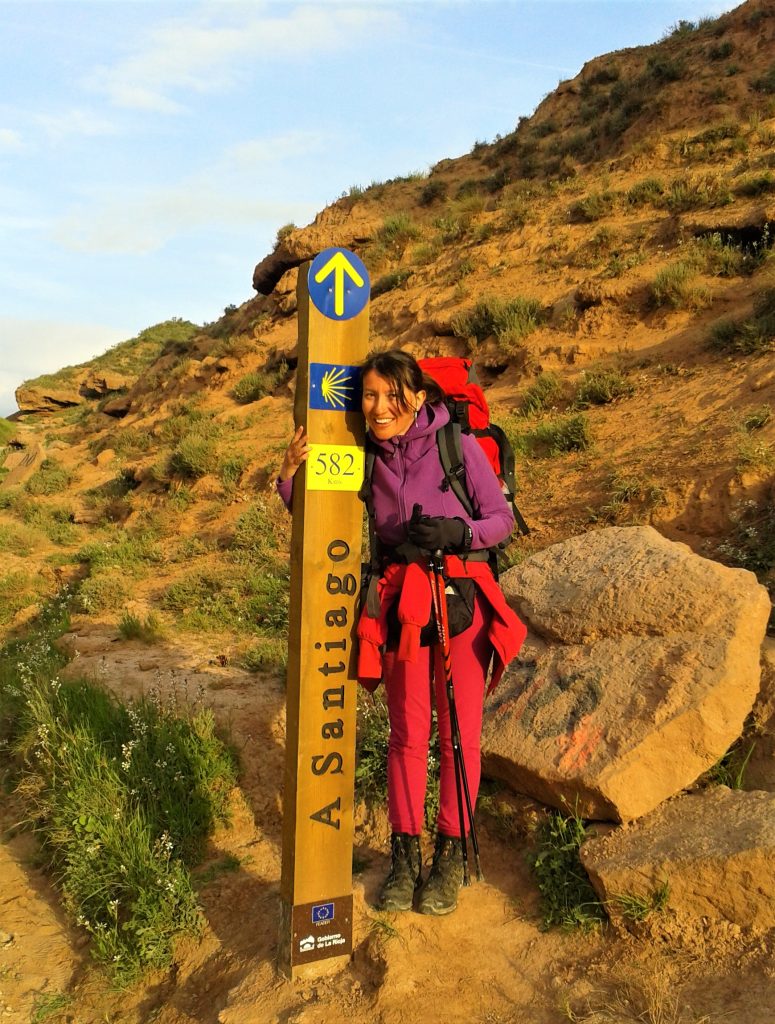
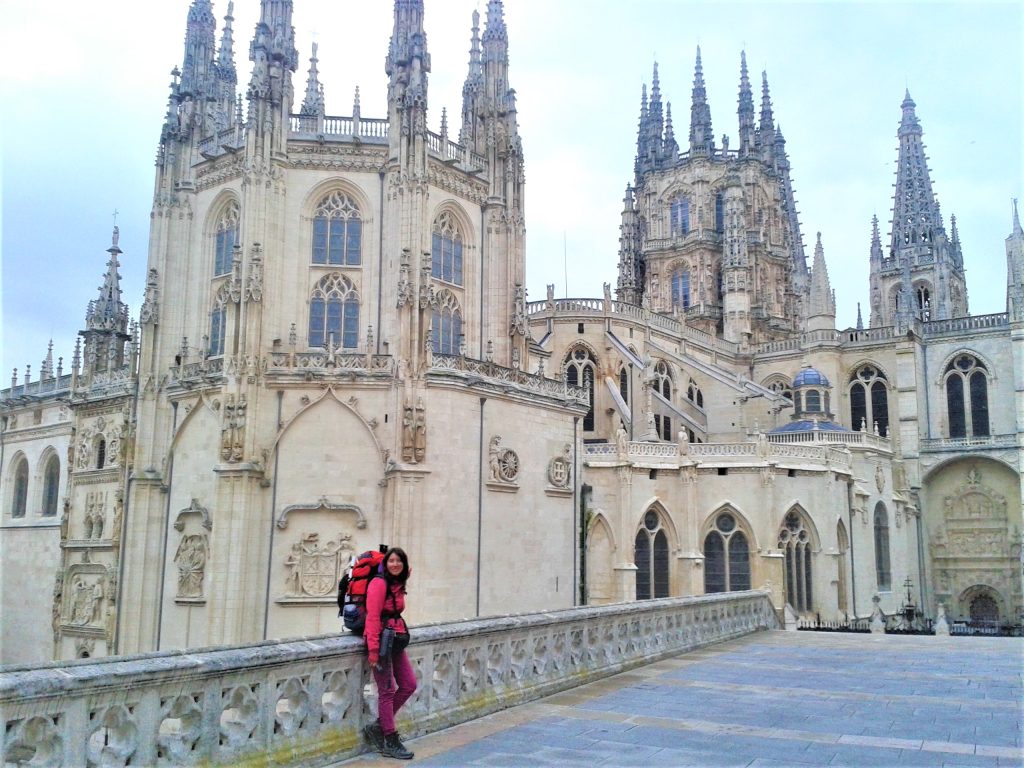
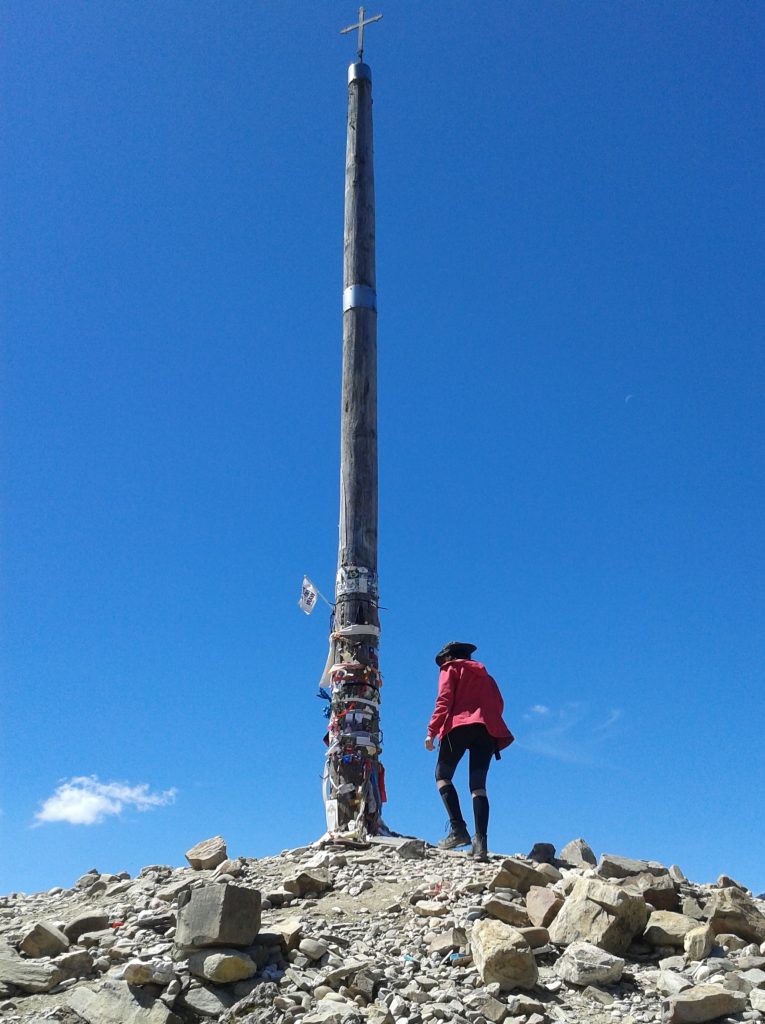
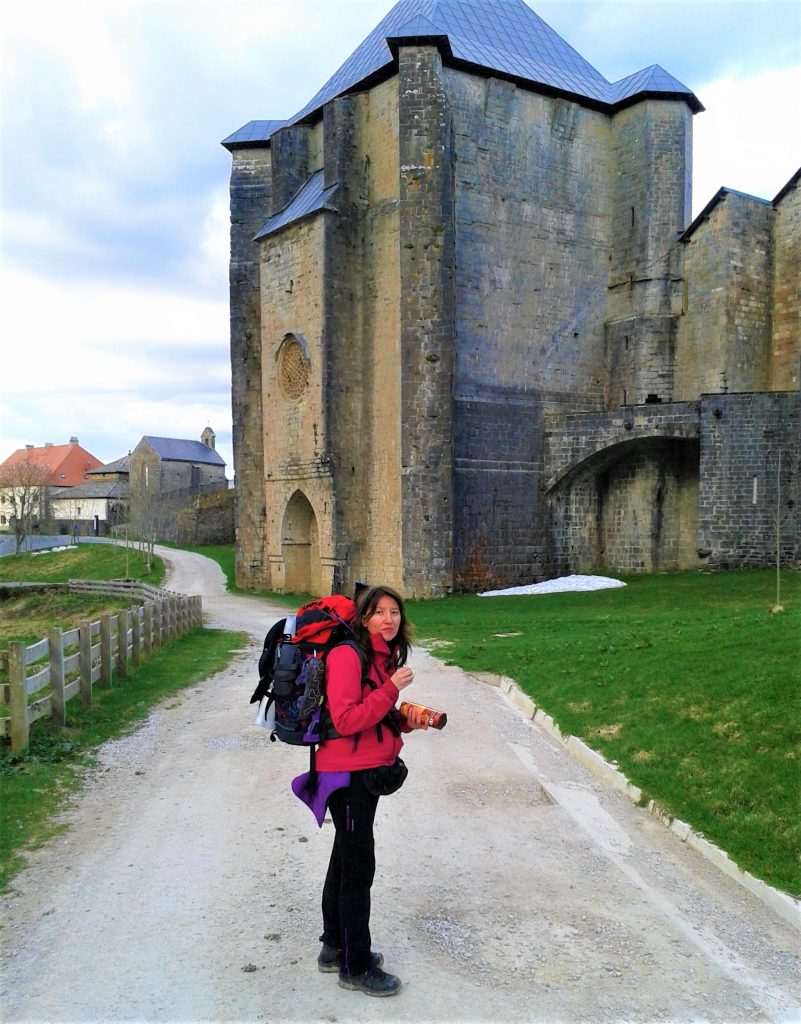
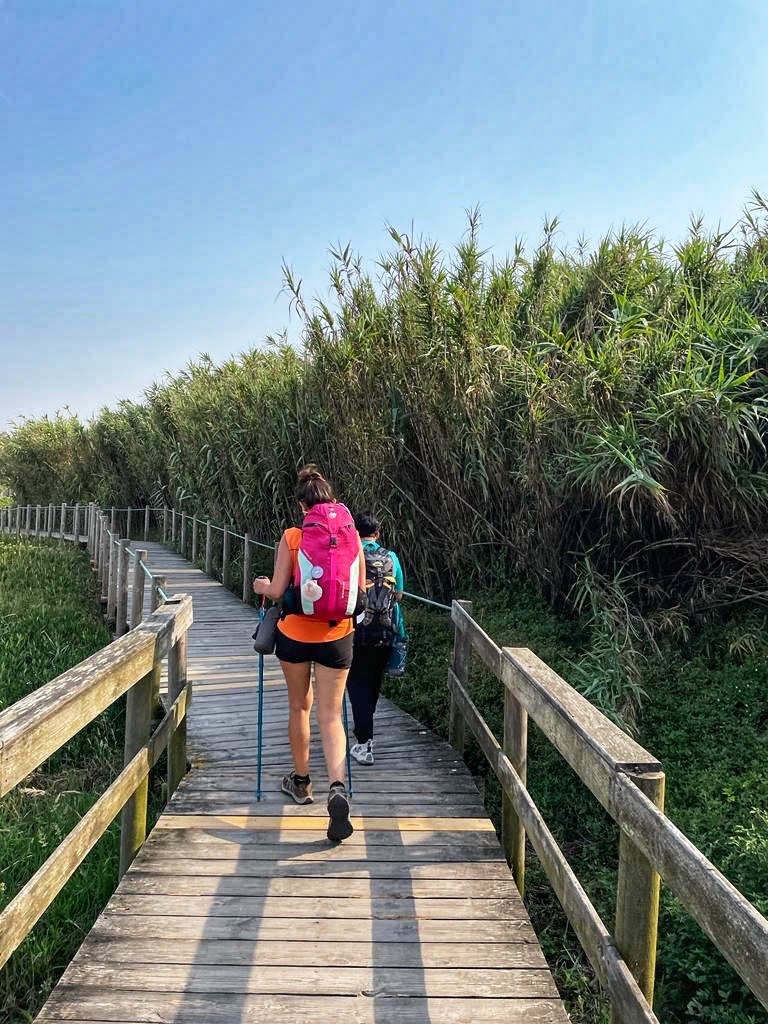
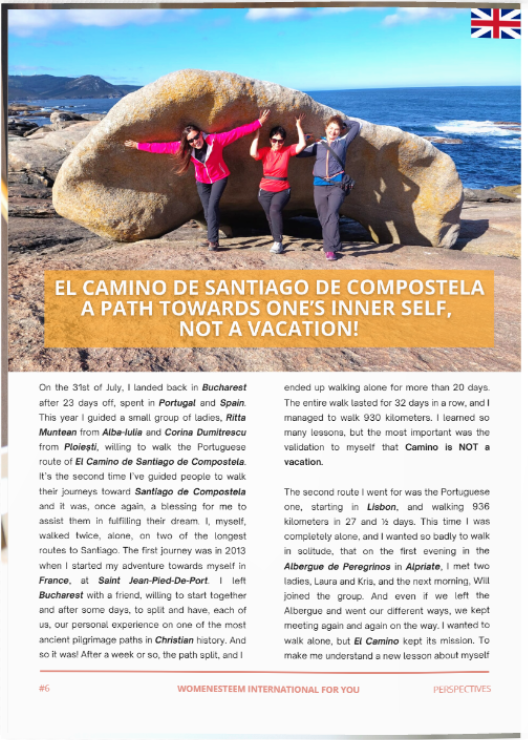
On the 31st of July, I landed back in Bucharest after 23 days off, spent in Portugal and Spain. This year, I guided a small group of ladies, Ritta Muntean from Alba-Iulia and Corina Dumitrescu from Ploiești, who were willing to walk the Portuguese route of El Camino de Santiago de Compostela. It’s the second time I’ve guided people to walk their journeys toward Santiago de Compostela, and it was, once again, a blessing for me to assist them in fulfilling their dream. I, myself, walked twice, alone, on two of the longest routes to Santiago. The first journey was in 2013, when I started my adventure towards myself in France, at Saint Jean-Pied-De-Port. I left Bucharest with a friend, willing to start together and after some days, to split and have each of us our personal experience on one of the most ancient pilgrimage paths in Christian history. And so it was! After a week or so, the path split, and I ended up walking alone for more than 20 days.
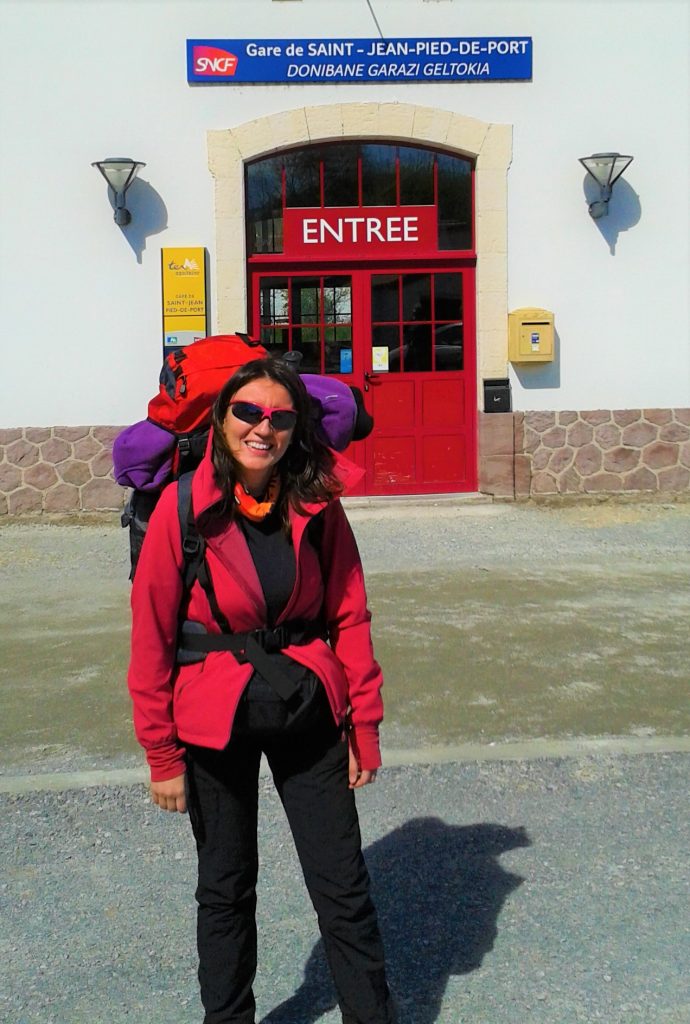
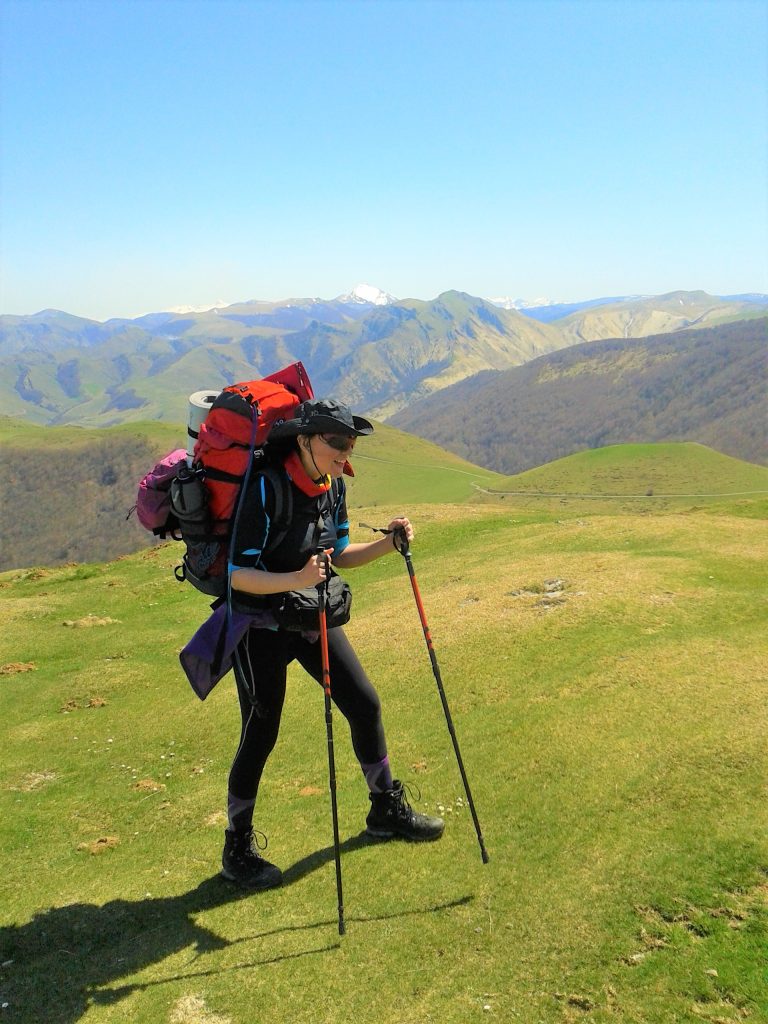
The entire walk lasted for 32 days in a row, and I managed to walk 930 kilometers. I learned so many lessons, but the most important was the validation to myself that Camino is NOT a vacation. The second route I went for was the Portuguese one, starting in Lisbon, and walking 936 kilometers in 27 and ½ days. This time, I was completely alone, and I wanted so badly to walk in solitude that on the first evening in the
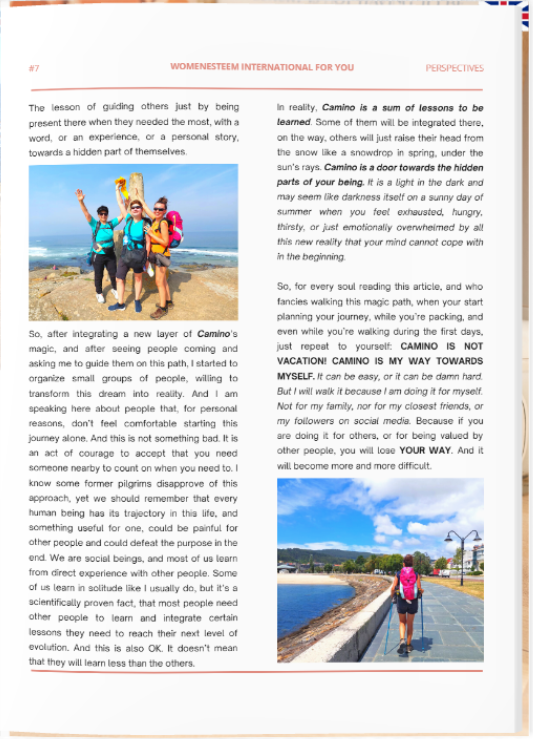
Albergue de Peregrinos in Alpriate, I met two ladies, Laura and Kris, and the next morning, Will joined the group. And even if we left the Albergue and went our different ways, we kept meeting again and again on the way. I wanted to walk alone, but El Camino kept its mission. To make me understand a new lesson about myself. The lesson of guiding others just by being present there when they needed the most, with a
word, or an experience, or a personal story, towards a hidden part of themselves.

So, after integrating a new layer of Camino’s magic and after seeing people coming and asking me to guide them on this path, I started to organize small groups of people, willing to transform this dream into reality. And I am speaking here about people who, for personal reasons, don’t feel comfortable starting this journey alone. And this is not something bad. It is an act of courage to accept that you need someone nearby to count on when you need to. I know some former pilgrims disapprove of this approach, yet we should remember that every human being has their own trajectory in this life, and something useful for one could be painful for other people and could defeat the purpose in the end. We are social beings, and most of us learn from direct experience with other people. Some of us learn in solitude like I usually do, but it’s a scientifically proven fact that most people need other people to learn and integrate certain lessons they need to reach their next level of evolution. And this is also OK. It doesn’t mean that they will learn less than the others.
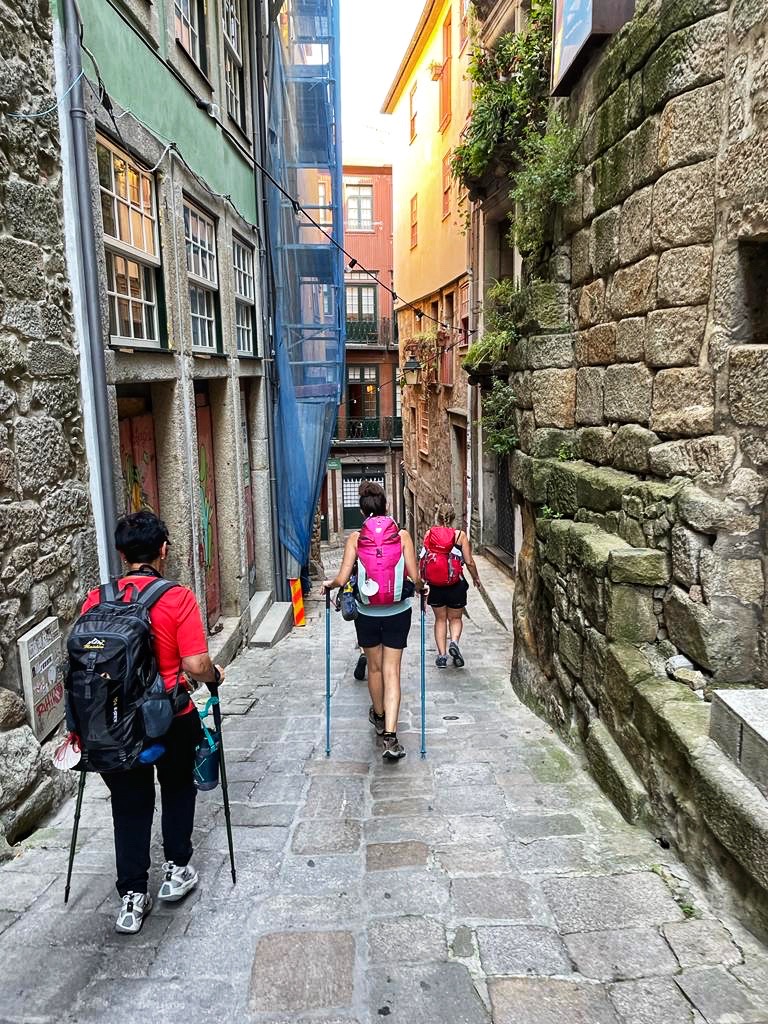
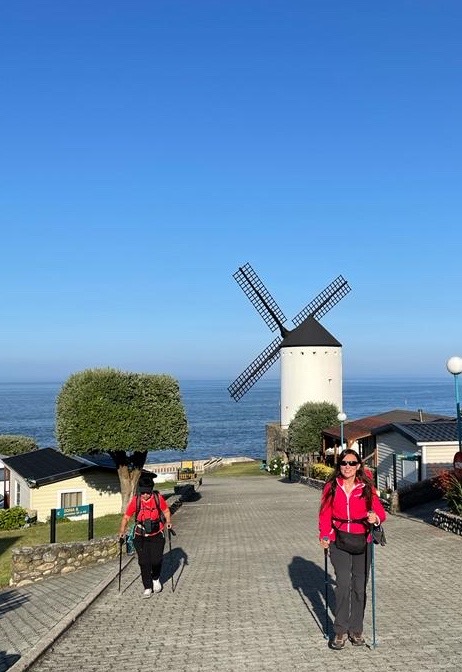
In reality, Camino is a sum of lessons to be learned. Some of them will be integrated there, on the way, others will just raise their head from the snow like a snowdrop in spring, under the sun’s rays. Camino is a door towards the hidden parts of your being. It is a light in the dark and may seem like darkness itself on a sunny day of summer when you feel exhausted, hungry, thirsty, or just emotionally overwhelmed by this new reality that your mind cannot cope with in the beginning.

So, for every soul reading this article, and who fancies walking this magic path, when you start planning your journey, while you’re packing, and even while you’re walking during the first days, just repeat to yourself: CAMINO IS NOT A VACATION! CAMINO IS MY WAY TOWARDS MYSELF. It can be easy, or it can be damn hard. But I will walk it because I am doing it for myself. Not for my family, nor for my closest friends, nor for my followers on social media. Because if you are doing it for others, or for being valued by
other people, you will lose YOUR WAY. And it will become more and more difficult.

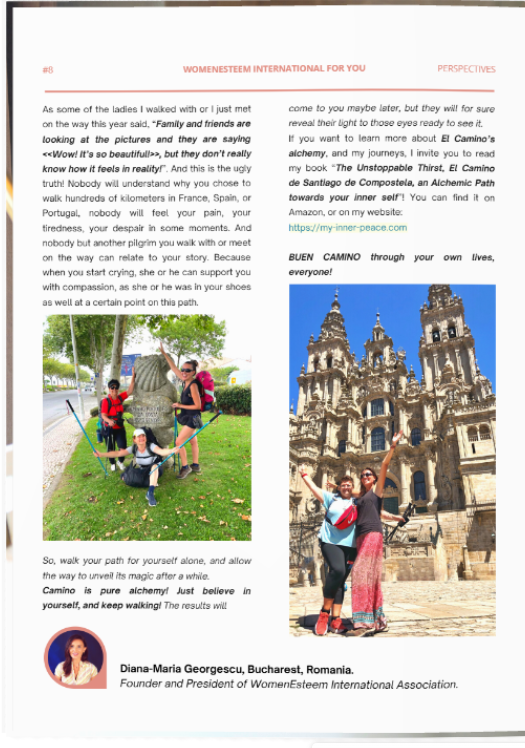
As some of the ladies I walked with or I just met on the way this year, said, “Family and friends are looking at the pictures, and they are saying Wow! It’s so beautiful!, but they don’t really know how it feels in reality!” And this is the ugly truth! Nobody will understand why you chose to walk hundreds of kilometers in France, Spain, or Portugal, nobody will feel your pain, your tiredness, your despair in some moments. And nobody but another pilgrim you walk with or meet on the way can relate to your story. Because
when you start crying, she or he can support you with compassion, as she or he was in your shoes
as well as a certain point on this path.

So, walk your path for yourself alone, and allow the way to unveil its magic after a while. Camino is pure alchemy! Just believe in yourself, and keep walking! The results will come to you maybe later, but they will for sure reveal their light to those eyes ready to see it.


If you want to learn more about El Camino’s alchemy and my journeys, I invite you to read my book “The Unstoppable Thirst, El Camino de Santiago de Compostela, an Alchemic Path towards your inner self”! You can find it on Amazon here

BUEN CAMINO through your own lives, everyone!

N.B. The article was published first in WEI 4U Digital Magazine here:
Ce a mai rămas din Memphis, prima capitală a Egiptului și magica Piramidă în Trepte a lui Djoser

Întorcându-ne la mașină, am pornit direct către Memphis, prima capitală a Egiptului înființată în urma unificării Egiptului de Jos cu Vechiul Regat (Egiptul de Sus) care a avut loc în jurul anului 1300 î.Hr. Ceea ce a fost la un moment dat unul dintre cele mai mari orașe ale lumii antice, arată acum ca un sat sărac. Și te face să te întrebi cum am venit noi cu acest concept de care suntem atât de mândri: „evoluția umanității”? De fiecare dată când intru într-un loc în care mă uimesc detaliile și măreția unor structuri și temple uriașe care stau acolo de secole și sunt construite în așa fel încât tehnologia modernă nu est capabilă să le replice, nu mă pot abține să mă întreb ”unde este evoluția umanității? ”. De obicei, aceste locuri se află în mijlocul comunităților sărace care nu dispun de resursele de bază pentru a trăi în mod decent, locuri pline de gunoi și sărăcie, iar tu te duci acolo cu ochii la aceste structuri și te întrebi ce s-a întâmplat cu această civilizație și unde sunt moștenitorii ei?

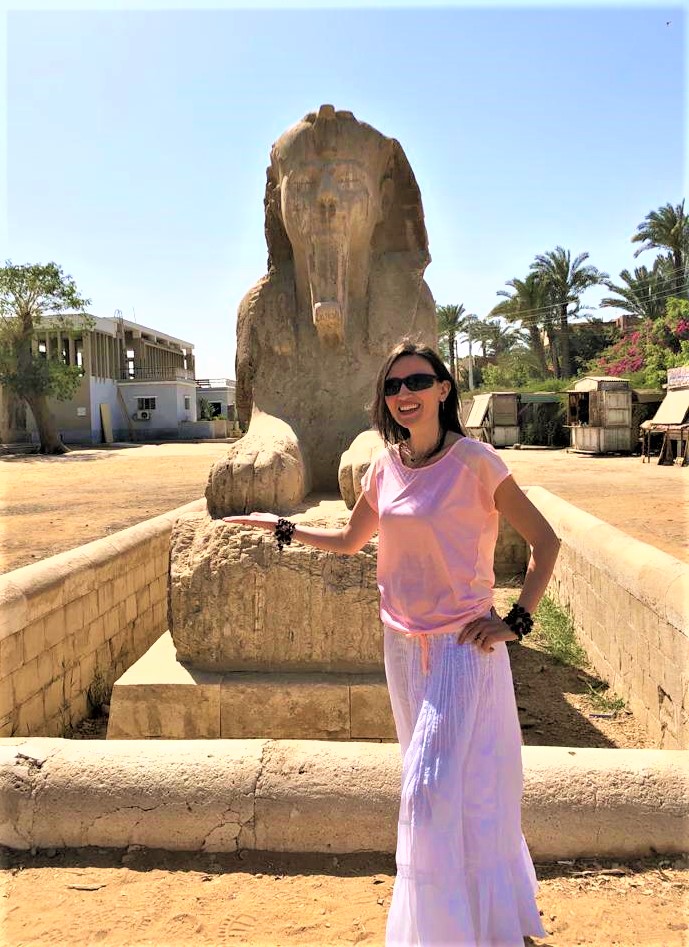
Muzeul în aer liber, Sphinx, Memphis, Egipt

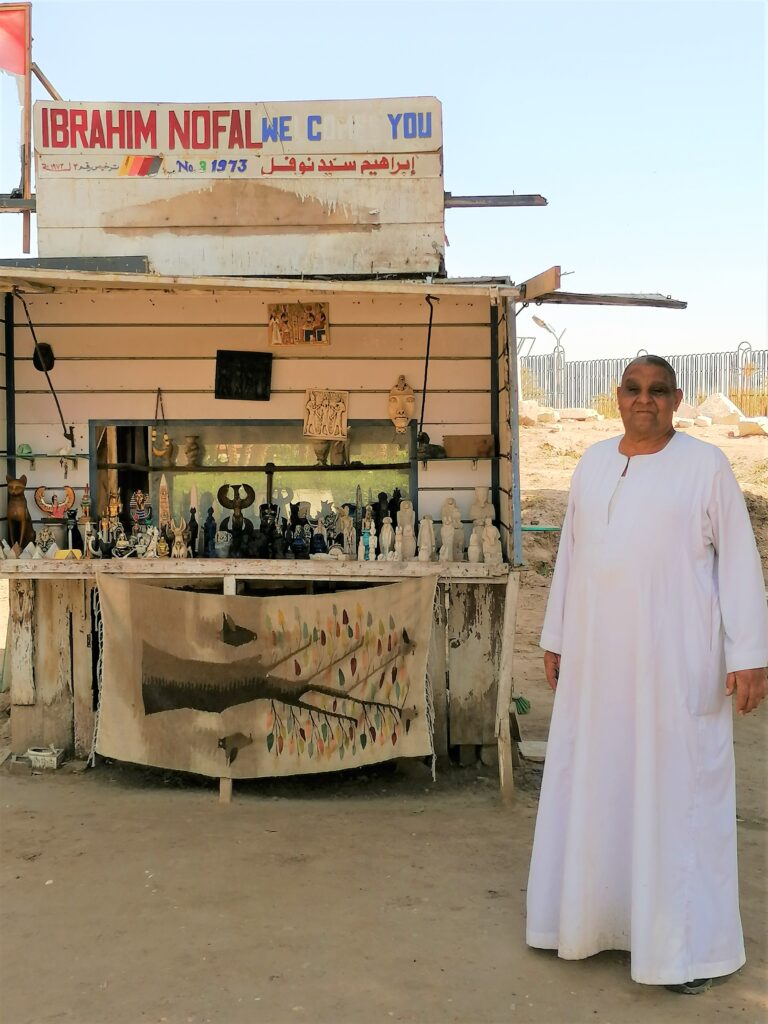
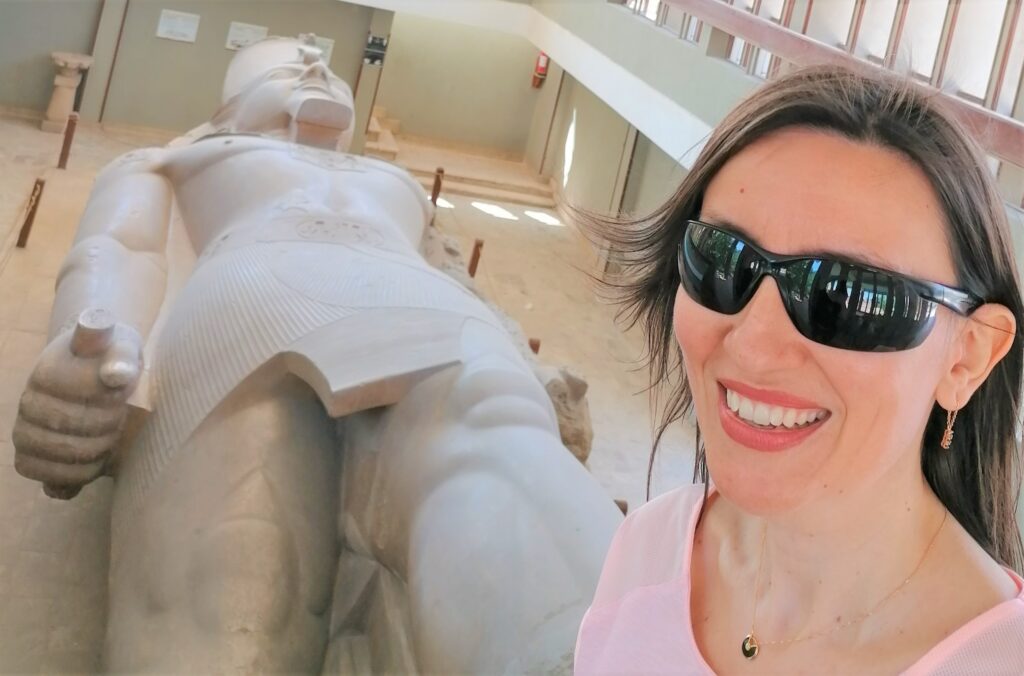
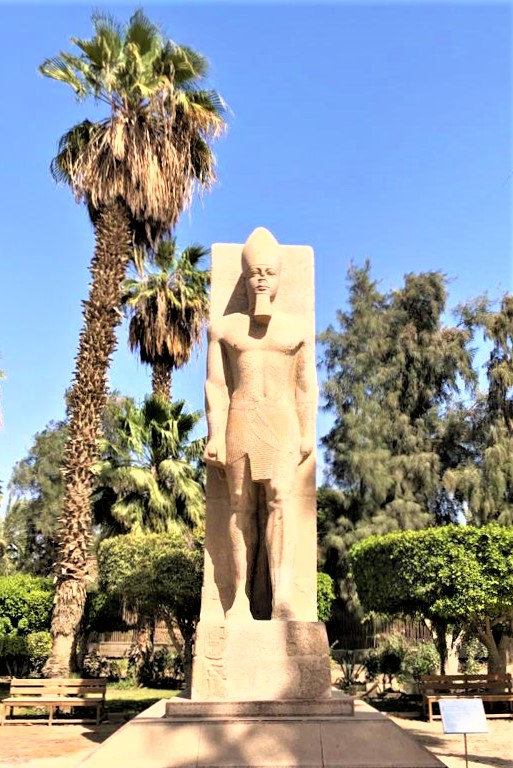
Nu am un răspuns la această întrebare, dar ceea ce vă pot spune este ceea ce ați putea vedea în Memphis. Există acest muzeu istoric în aer liber, unde puteți vedea o imensă statuie a lui Ramses al II-lea căreia îi  lipsesc ambele picioare, de aceea este expusă în poziție orizontală. În curtea muzeului există însă și un colos al aceluiași rege care a fost foarte bine conservat și un Sfinx cu o greutate de 80 de tone aflat într-o formă mai bună decât cel de pe Platoul Giza. Mai mult, tot aici puteți vedea diferite statui de granit, sicrie și tablete datând din diferite perioade de timp. În plus, există și câteva standuri de alabastru în interiorul muzeului, de unde puteți cumpăra diferite statui mici. Unul dintre acestea este standul lui Ibrahim, care de la intrare a insistat să merg să-i văd magazinul. Eram într-o bună dispoziție, așa că m-am dus, spunându-i că nu voi cumpăra nimic, dar i-am făcut o poză lui și standului său pentru a vă arăta dumneavoastră, celor care citiți această poveste.

Ceea ce nu știam în acel moment a fost faptul că în Cairo și în împrejurimile sale sunt prețuri mai bune decât în Luxor. Deci, dacă mergeți acolo, vă recomand să vă cumpărați suvenirurile în Egiptul de Jos (partea de nord a Egiptului: Cairo, Alexandria etc.). Noi nu am făcut așa, ci ne-am propus să vizităm mai întâi și să ne gândim la cumpărături la sfârșitul călătoriei. Însă  ne-am simțit puțin ”fentați” de comercianții din Luxor, chiar dacă ne-am târguit mult pentru câteva suveniruri.

Muzeul în aer liber, Ramses II, Memphis, Egipt

În Memphis am petrecut literalmente 10 minute în interiorul muzeului, pentru că aveam pe agenda noastră să vizităm Piramida Djoser și Platoul Giza până la sfârșitul zilei. Așadar, ne-am întors la mașină și ne-am îndreptat spre necropola Saqqara unde ne aștepta ”Piramida în trepte a lui Djoser” (Stepped Pyramid of Djoser). În mașină, Esra ne-a dat instrucțiuni clare să nu vorbim cu nimeni care ne oferă un tur al sitului, deoarece ne va cere bani la final și, evident, să nu cumpărăm lucruri din obiectivele turistice, deoarece prețurile sunt uneori de 10 ori mai mari decât de obicei sau chiar mai mult. Și asta doar pentru că ești turist și ar trebui să ai mulți bani cu tine. Am o poveste amuzantă despre acest tip de comportament al localnicilor, așa că vă invit să mai treceți pe aici și să citiți și poveștile următoare.

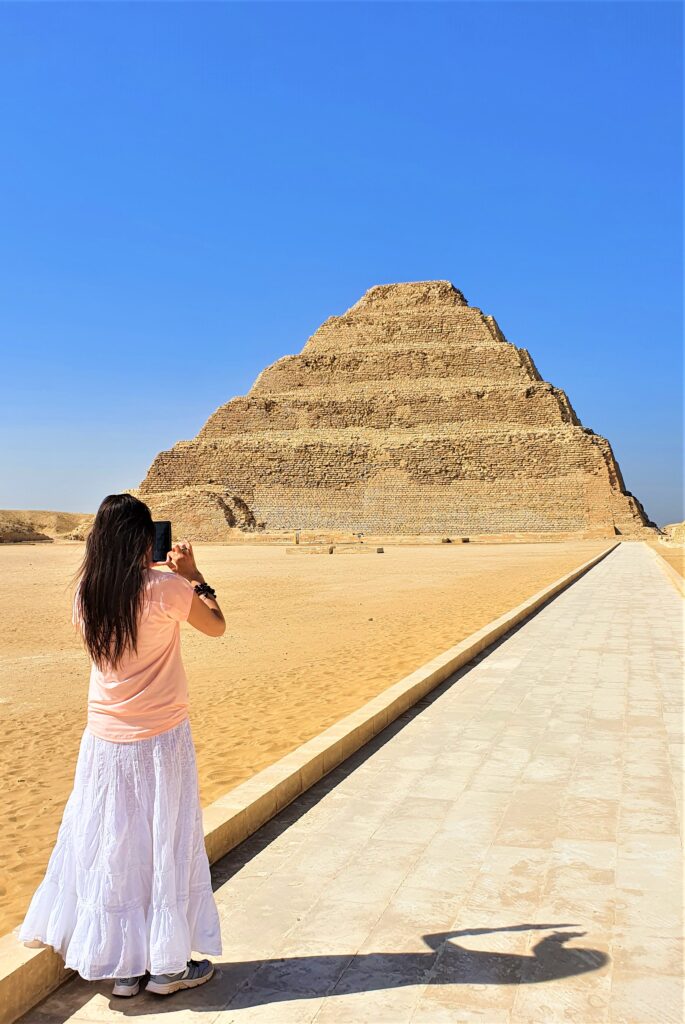
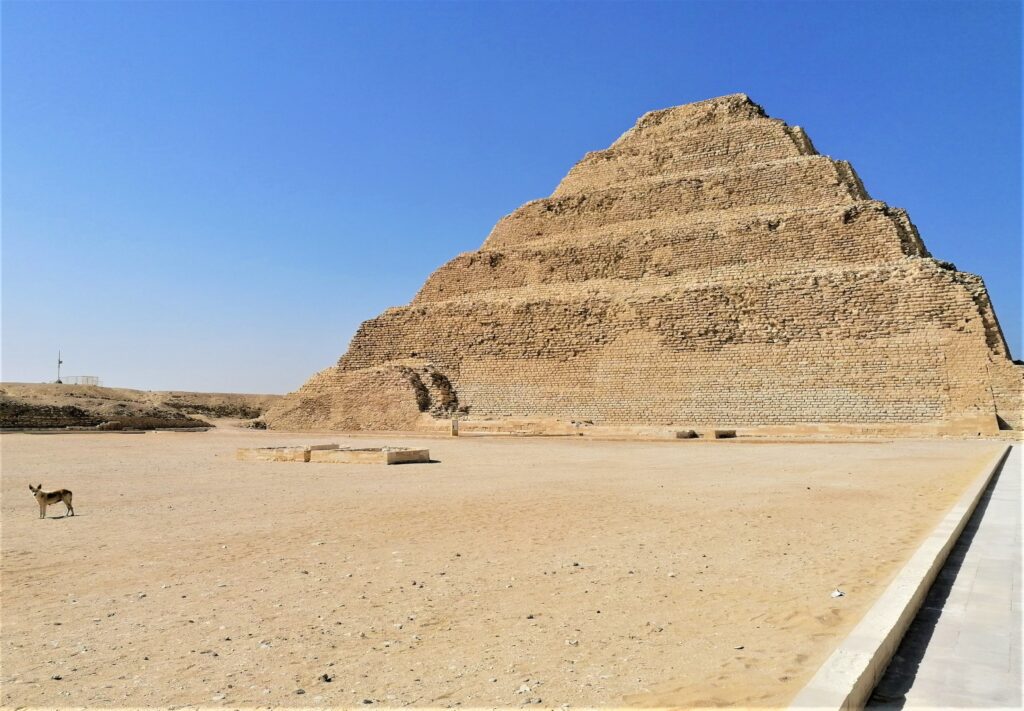
Piramida în trepte a lui Djoser, necropola Saqqara, Egipt

Odată ce am intrat în sit, am fost asaltați de diferiți bărbați care încercau să facă pe ghidul sitului, exact așa cum ne spusese Esra. Au fost prea invazivi pentru gustul meu, dar am reușit să scăpăm de ei repede. După ce am trecut de coloanele impresionante de la intrare, iată și frumoasa ”Piramida în trepte a lui Djoser”, o structură în șase trepte, cu o înălțime de 62,5 metri, construită în secolul 27 î.Hr. ca loc de înmormântare pentru faraonul Djoser. Piramida a fost restaurată timp de 14 ani și arată uimitor! A fost deschisă vizitatorilor în martie 2020, așa că, sinceră să fiu, sunt foarte recunoscătoare că am ales anul acesta să vizităm Egiptul și să mergem acolo. Întregul sit arheologic arată minunat. Am mers mai întâi să vedem împrejurimile piramidei și să facem câteva poze.

Nu plănuiam să intrăm înăuntru, deoarece încercam să ne mișcăm repede pentru a ajunge la timp la Platoul Giza. Dar, Dumnezeu are întotdeauna alte planuri pentru tine, așa că la un moment dat am simțit această atracție de a vedea ceea ce este înăuntru. Și ne-am apropiat de un alt cuplu întrebându-l pe unul din anagajații sitului care vorbea în araba cu un alt bărbat, dacă putem vizita piramida și în interior. Celălalt bărbat era soțul unei doamne românce, așa că am început să vorbim despre locul respectiv, despre țara noastră natală în timp ce angajatul sitului ne deschidea ușa. Situl trebuia să se închidă la ora 15:00, de care ne despărțeau doar câteva minute, așa că toată lumea ne grăbea să părăsim locul cât mai curând posibil, dar nu și acest om care ne-a deschis ușa piramidei.

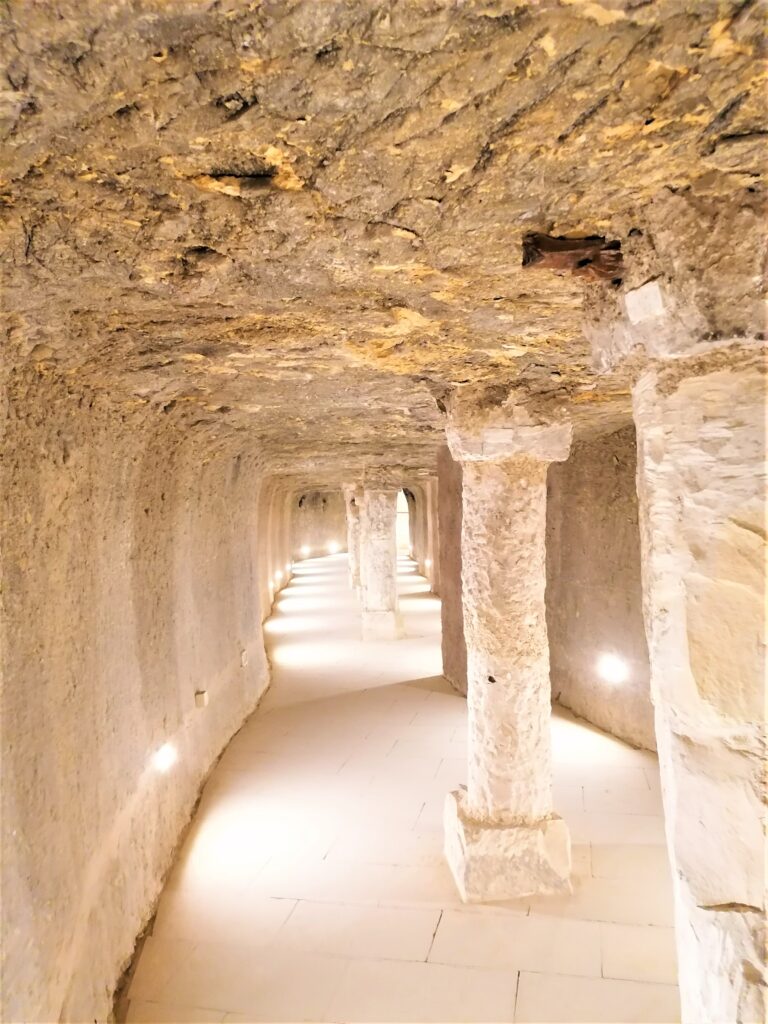
În interiorul Piramidei în trepte a lui Djoser, necropola Saqqara, Egipt

Am intrat mai ușor în acest pasaj care duce spre inima piramidei, deoarece era orizontal și foarte bine restaurat, în comparație cu cel al Piramidei Roșii din Dahshur. Aici ar putea intra orice persoană, deoarece nu necesită niciun effort suplimentar. Este ca o plimbare în parc, dar în loc de copaci și vegetație, ai pietre. 😊 Acest pasaj duce la o cameră de unde poți vedea la peste 10 metri în jos o altă cameră care a fost închisă. De fapt, când am ocolit piramida, am văzut o altă intrare mai jos sub pământ, care era închisă și același bărbat care ne-a deschis această parte a piramidei ne-a spus că cealaltă parte este închisă pentru vizitatori. Nu știu de ce și el nu ne-a spus motivul, dar la un moment dat acea parte a piramidei a fost deschisă, deoarece există diverse imagini online ale altor vizitatori.

Nu contează … Cred că intrare nu a fost pentru noi, așa că ne-am bucurat de partea superioară a piramidei și odată ce vizita noastră din interior s-a încheiat, ne-am întâlnit în afara piramidei cu aceleași îndemnuri de a ieși cât mai repede din sit pentru că depășiserăm ora de închidere.

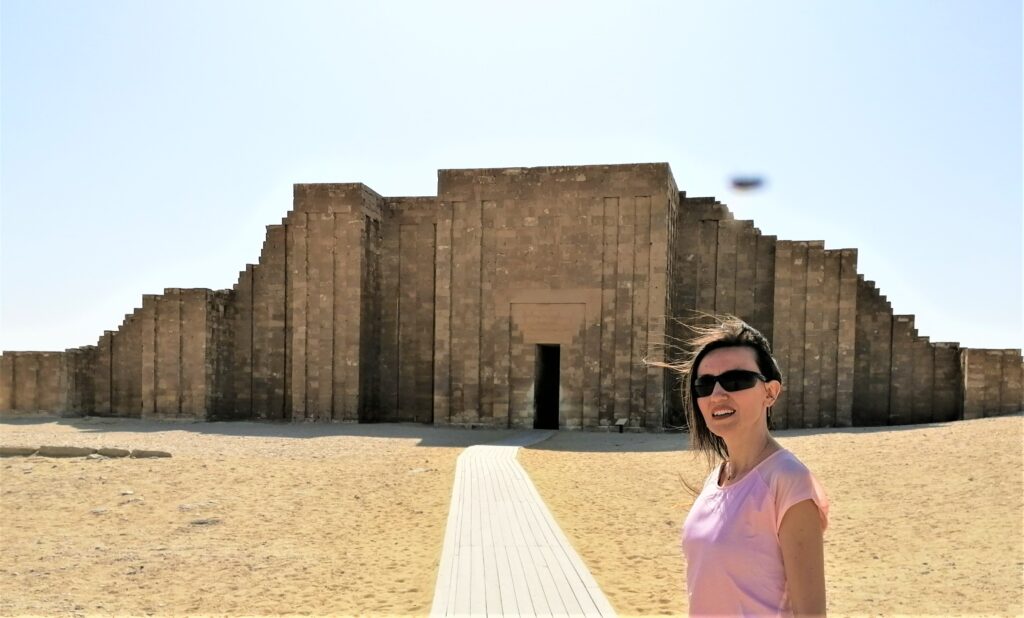
Ne-am întors la mașina unde ne aștepta Esra pentru a ne conduce la Platoul Giza. Dar, înainte de a ajunge la mașină, am făcut câteva poze în afara site-ului cu poarta de la intrare și iată ce lucru ciudat a ieșit pe cameră pe una dintre ele. Jur că nu am văzut niciun extraterestru acolo, nici OZN-uri, așa că … 😊

Piramida în trepte a lui Djoser, necropola Saqqara, Egipt

Am ajuns destul de repede la următoarea destinație, deoarece necropola Saqqara este situată la 30 de kilometri sud de Cairo, așa că am ajuns la una dintre intrările Platoului Giza înainte de ora 16:00 pentru a avea suficient timp să vedem cele trei piramide. Programul normal al Platoului Giza este de la 9:00 la 17:00, dar ghiciți ce? Ne-am planificat vizita în Egipt în timpul Ramadanului și nu știam că totul în Egiptul de Jos (Cairo, Alexandria etc.) se închide cu 2 ore înainte în zilele de Ramadan. Aici, la poarta Platoului Giza, am înțeles de ce oamenii din ”Piramida în trepte a lui Djoser” ne grăbeau să părăsim locul cât mai curând posibil. Ciudat era că șoferul nostru, Esra, nu era la curent cu acest nou program, altfel ne-am fi planificat călătoria altfel.

Piramida în trepte a lui Djoser în împrejurimi, necropola Saqqara, Egipt

Deci, dacă intenționați să vizitați Egiptul de Jos (Cairo, Alexandria și împrejurimi) în timpul Ramadanului, luați în considerare faptul că totul se închide cu 2 ore înainte de programul normal. În Egiptul de Sus (Luxor, Aswan, Abu Simbel etc.), nu există o astfel de regulă, iar programul diferitelor site-uri este și mai extins până la 21:00 (ex. Templele din Luxor și Kom Ombo). Dar voi scrie un articol mai practic, incluzând programul orelor tuturor siturilor pe care le-am văzut. Între timp, puteți citi câteva sfaturi și trucuri pentru o bună călătorie pe cont propriu în Egipt.

Gardian al Piramidei în trepte a lui Djoser, necropola Saqqara, Egipt

Va urma…

Sunt autor independent, iar dacă vă place ceea ce scriu, vă invit să-mi susțineți activitatea printr-o donație la alegere.


What’s left of Memphis, the first capital of Egypt, and the Magic Stepped Pyramid of Djoser

Back to the car, we went directly to Memphis, the first capital of Egypt established when the unification of the Lower Egypt with the Old Kingdom (Upper Egypt) happened around 1300 B.C. What used to be at a certain point one of the greatest cities of the ancient world, is looking now like a poor village. And it makes you wonder how did we came up with this concept we are so proud of… ”humanity evolution”? Each time I enter a place where I am amazed by the details and the greatness of huge structures and temples staying there for centuries and built in such a way that the modern technology is not able to do it, I cannot help it to ask myself ”where is the evolution of human kind?”. Usually, these places are in the middle of poor communities that lack normal living resources, places full of trash and poverty, and you go there staring at these structures and wondering what happened with this civilization and where are its heirs?

Open-Air Museum, Sphinx, Memphis, Egypt

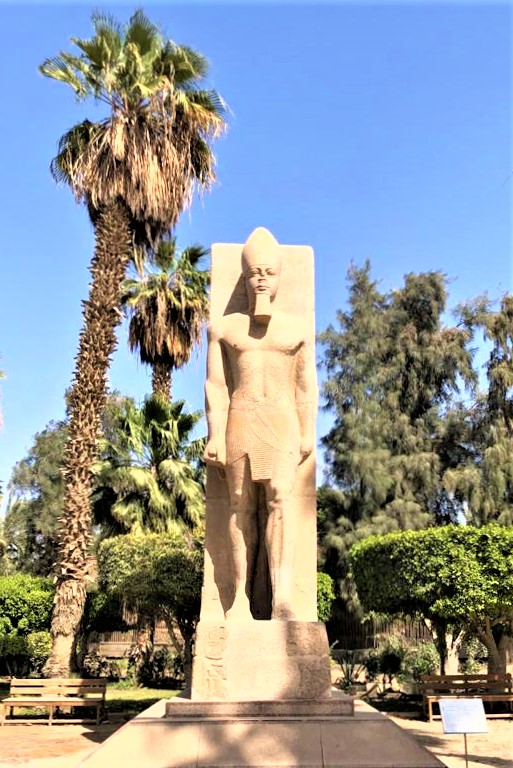
I don’t have an answer to this question, but what I can tell you is what you could see in Memphis. There is this historical Open-Air Museum where you can see a huge statue of Ramses II missing both feet, that’s why it is exposed in horizontal position. However, there is a colossus of the same king that was very well preserved and a Sphinx in a better shape than the one from the Giza Plateau weighing 80 tones. Moreover, you can witness different granite statues, coffins and tablets dating from various periods of time. And the cherry on top, there are some alabaster stands inside the museum, where you can buy different small statues. One is Ibrahim’s stand and from the entrance he insisted to go and see his shop. I was in a good mood, so I went, telling him I will not buy anything, but I took a picture of him and his stand to show it to the people reading this story.

What I didn’t know at that time, was the fact the Cairo and its surrounding have better prices then Luxor. So, if you go there, you may want to buy your souvenirs in the Lower Egypt (Northern part of Egypt: Cairo, Alexandria, etc.). We didn’t as we wanted to visit first and think about shopping at the end, and we felt a bit ripped-off by the Luxor’s merchants, even if we bargained a lot.

Open-Air Museum, Ramses II, Memphis, Egypt

We’ve spent literally 10 minutes inside the museum as we had on our agenda to visit the Pyramid of Djoser and the Giza Plateau by the end of the day. So, we went back to the car and headed towards the Saqqara necropolis where the Stepped Pyramid of Djoser was waiting for us. In the car, Esra gave us clear instructions not to speak with anyone offering us a tour of the site as they will ask us for money at the end, and obviously not to buy things from the touristic objectives as the prices are sometimes 10 times higher than usual or even more. And this is just because you are a tourist and you are supposed to have a lot of money with you. I have a funny story about this kind of local behaviors, so stay tuned.

Stepped Pyramid of Djoser, Saqqara Necropolis, Egypt

Once we entered the site, we were assaulted by different men trying to act like a guide of the site. They were too invasive for my taste, but we’ve managed to get rid of them. After passing the impressive columns from the entrance, here it is the beautiful Stepped Pyramid of Djoser, a six-stepped structure of 62.5 meters height, built in the 27th century B.C. as a burial place for the Pharaoh Djoser. The pyramid was restored for 14 years and it looks amazing! It was opened for visitors in March 2020, so to be honest I feel very grateful for choosing this year to visit Egypt and go there. The entire archeological site looks great. We first went to see the surroundings of the pyramid, and to take some pictures.

We didn’t plan to go inside as we were trying to move fast to arrive in time to the Giza Plateau that day. But, God has always other plans for you, so at a certain point I felt this attraction of seeing what’s inside. And we approached another couple asking a man if we could visit the pyramid inside as well. The man was the husband of a Romanian lady, so we started to talk about the place, about our home country while the man was opening the door for us. The site was supposed to close at 3 pm, and the closing schedule was there, so everyone was rushing us to leave the place as soon as possible, but not this man that open the door of the pyramid for us.

Stepped Pyramid of Djoser inside passage, Saqqara Necropolis, Egypt

We entered this passage more easily to walk in as it was horizontal and very well restored, compared with the one of the Red Pyramid in Dahshur. Here could enter any person as there is no struggle. It is like a walk in the park, but instead of trees and vegetation, you have stones. 😊 This passage leads to a chamber from where you can see 30 meters down another chamber that was closed. actually, when we went around the pyramid, we’ve seen another entrance lower underground but it was closed and the same man opening this side of the pyramid for us told us that is it is closed for visitors. I don’t know why and he never said why, but at a certain point that side of the pyramid was opened as there are various visitors’ pictures online.

Never mind… I guess that side was not for us, so we enjoyed the upper side of the pyramid and once our visit inside ended, we encountered outside the same rush coming from other people taking care of the necropolis to leave fast as they had to close the site.

Stepped Pyramid of Djoser surroundings, Saqqara Necropolis, Egypt

We went back to the car where Esra was waiting for us to drive us to the Giza Plateau. But before reaching the car, we took some pictures outside the site with the gate, and look what strange thing came out on camera on one of it. I swear we didn’t see any aliens there, nor UFO’s, so… 😊

Stepped Pyramid of Djoser, Saqqara Necropolis, Egypt

We arrived quite fast as the Saqqara necropolis is located 30 kilometers south of Cairo, so we arrived at one of the entrances of Giza Plateau before 4:00 PM to have enough time to see the three pyramids. Normal schedule of Giza Plateau is from 9:00 AM to 5:00 PM, but guess what? We planned our visit to Egypt during Ramadan and we didn’t know that everything in the Lower Egypt (Cairo, Alexandria, etc.) is closing 2 hours before during Ramadan. Here, at the gate of Giza Plateau we understood why the people from the Stepped Pyramid of Djoser was rushing us to leave the place as soon as possible. The strange thing was that our driver, Esra, was not aware of this new schedule, otherwise we would have planned our journey differently.

Stepped Pyramid of Djoser surroundings, Saqqara Necropolis, Egypt

So, if you are planning to visit Lower Egypt (Cairo, Alexandria and surroundings) during Ramadan, take into account that everything closes 2 hours before the normal schedule. In the Upper Egypt (Luxor, Aswan, Abu Simbel etc.), there is no such a rule and the schedule of different sites are even more extended until 9:00 PM (Luxor and Kom Ombo Temples). But I will write a more practical article including the schedule hours of all the sites we’ve seen. Meanwhile, you can read some tips and tricks for a great DYI trip in Egypt.

Stepped Pyramid of Djoser guardian, Saqqara Necropolis, Egypt

To be continued…

I am an independent writter, so if you like my stories, I invite you to support my activity with a donation.